Light overcoming darkness at the 13th Iftar Dinner
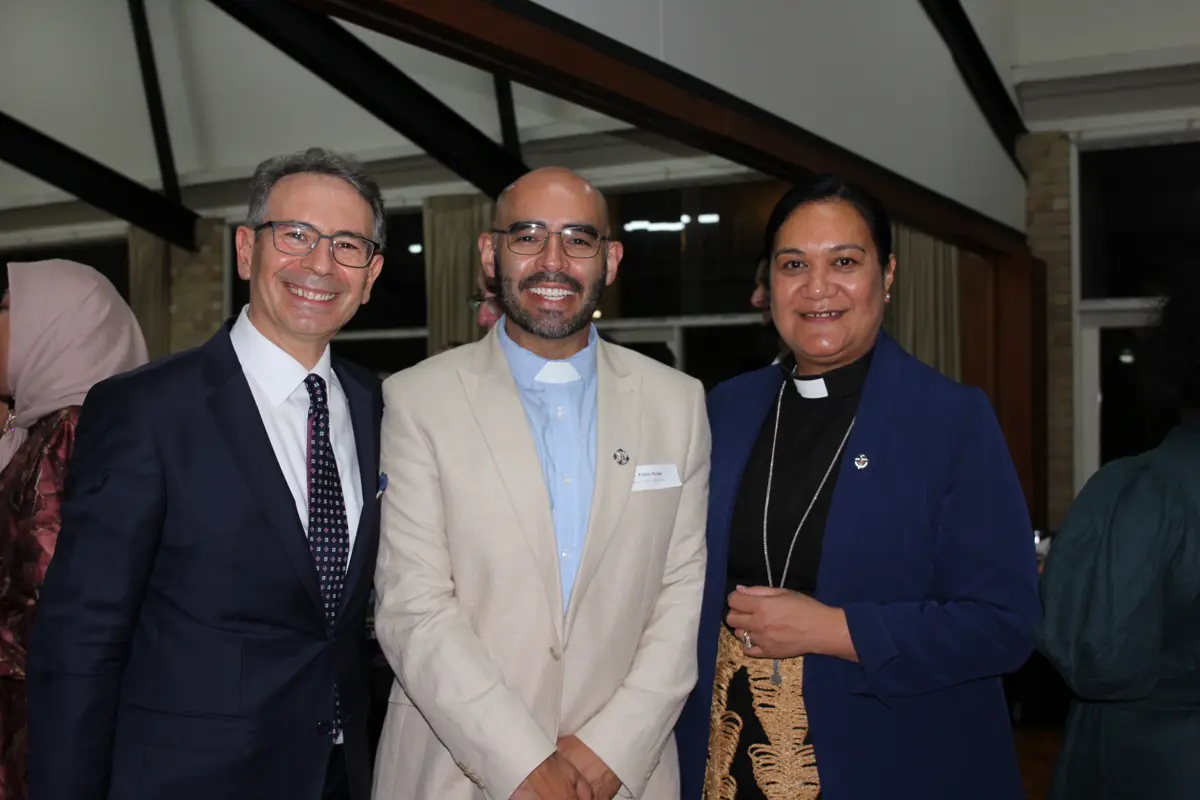
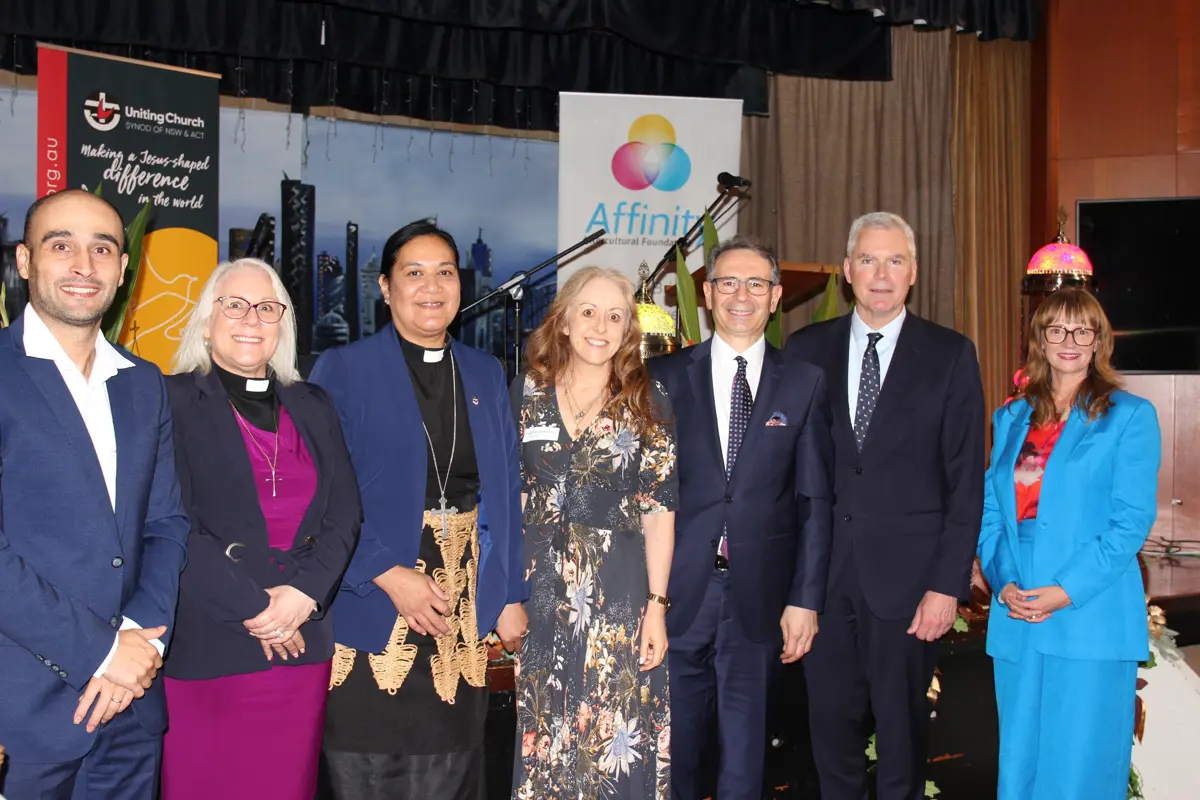
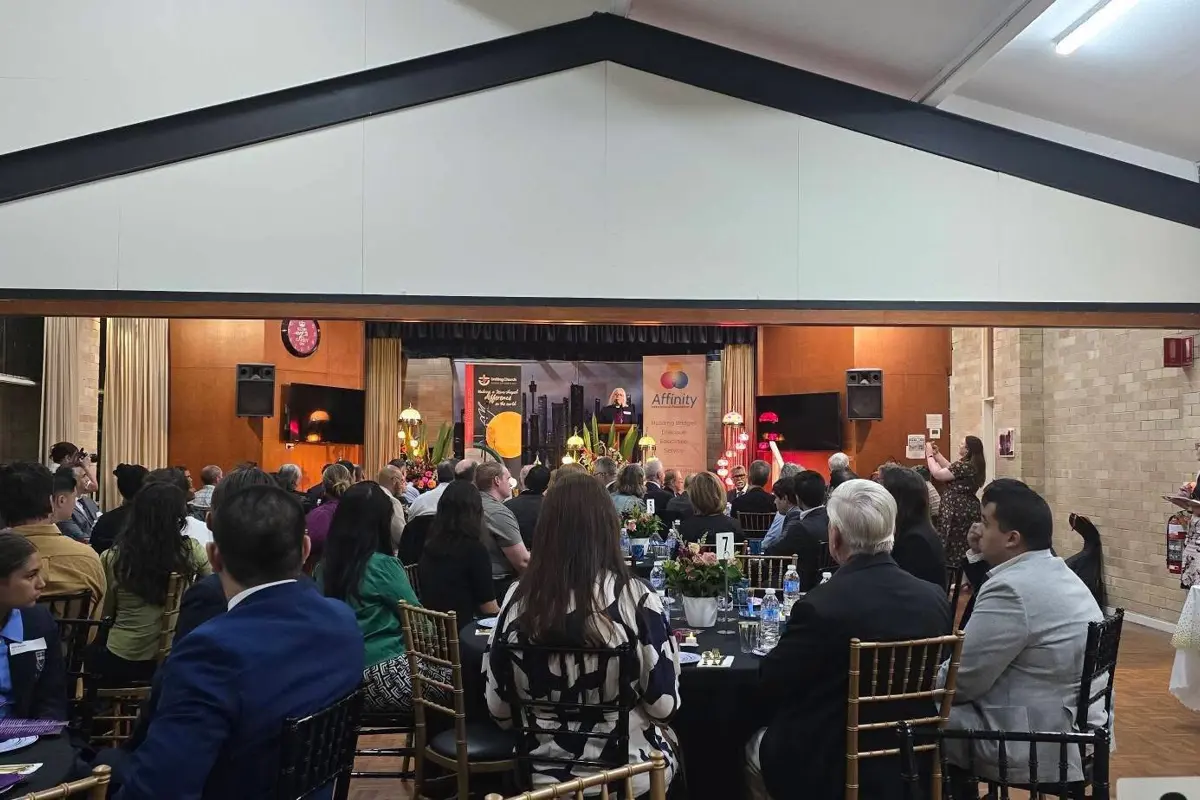
More than 100 people of different faiths and cultural backgrounds gathered at Wesley Castle Hill Uniting Church for the 13th annual Iftar Dinner “United in Hope” on Wednesday 4 March.
More than 100 people of different faiths and cultural backgrounds gathered at Wesley Castle Hill Uniting Church for the 13th annual Iftar Dinner “United in Hope” on Wednesday 4 March.
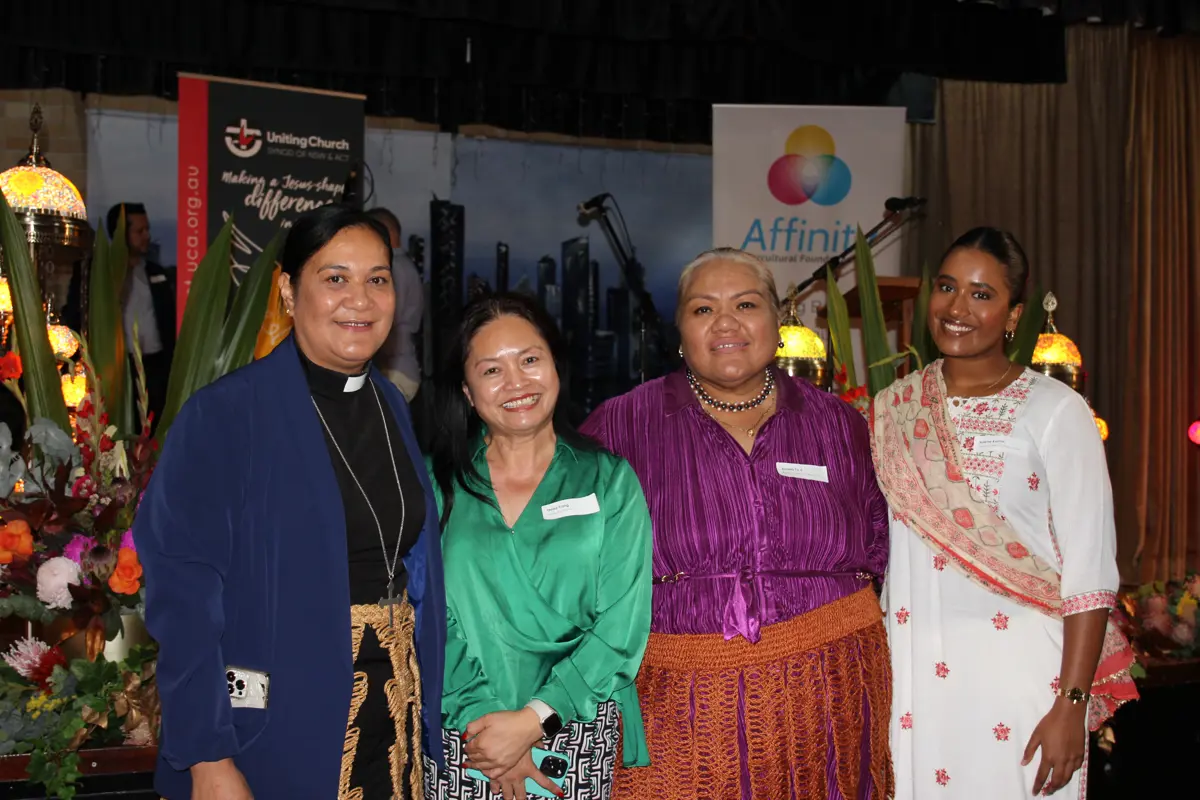
Co-hosted by the Uniting Church Synod of NSW and ACT and the Affinity Intercultural Foundation, the dinner brought together people from Buddhism, Islam, Christianity and Sikhism faiths. In a beautifully decorated hall lit with mosaic Turkish lamps and floral arrangements, guests gathered to break the fast during the Islamic holy month of Ramadan.
Throughout the evening, speakers reflected on the symbolism of light overcoming darkness. The darkness represented by the many challenges in society today, from hate speech on our own shores to ongoing conflicts in the Middle East. The light was embodied by the gathering itself, and people choosing connection over division. Speakers encouraged guests to carry the “the light” of the evening into the broader community, urging them to share their experience with friends and family, and continue to strengthen the connections made.
The program included a Bible reading from Psalm 95 read by students from Knox Grammar, Kinross Wolaroi, and MLC, a Qur’an recitation from Surah Al-Nur, and the traditional Adhan calling guests to break the fast.
There were musical performances by a local singing duo and Castle Hill congregation members David Sanders and Christina Baysari, and Palestinian musicians Majdi and Seraj Aljelda.
Keynote speaker Rev. Dr. Peter Walker, General Secretary of the Uniting Church Synod of NSW and ACT, reflected on the common threads shared across faith traditions and the importance of embracing those connections.
He also spoke about the valuable experience of taking students from United Theological College to a mosque and a synagogue as part of their theological training.
The evening was emceed by Kim Akhurst, Series Producer of Compass, and included respondents Rabbi Jacqueline Ninio of Emanuel Synagogue and Dr Shaheen Whyte from the Refugee Council of Australia.
Special guests included Dr Michelle Byrne, Mayor of The Hills Shire, Rev. Jon Owen, CEO of Wayside Chapel, and Mark Hodges MP.
Guests shared a buffet of Afghan cuisine before continuing conversations into the evening over dessert, tea and coffee.
For many attending, the annual Iftar dinner has become an important and cherished opportunity to forge new friendships and learn more about other faiths and cultures.
Ramadan and Iftar
Ramadan is a special month of reflection, kindness, and prayer in the Islamic calendar. It takes place in the ninth month of the lunar Islamic calendar, marking the time when the Quran was first revealed to the Prophet Muhammad. Because the Islamic calendar is lunar, Ramadan moves each year, occurring about 10–12 days earlier than the previous year, allowing Muslims to experience fasting in different seasons over a lifetime.
During this month, Muslims fast from dawn to sunset each day, abstaining from food and drink as a way to practice self-discipline, grow spiritually, and remember those in need. It is a time to deepen faith, perform good deeds, and strengthen connections with family and community. Each evening, the fast is broken with a meal called Iftar. Traditionally, the fast is first opened with dates and water, followed by a larger meal shared with family, friends, and often the wider community.
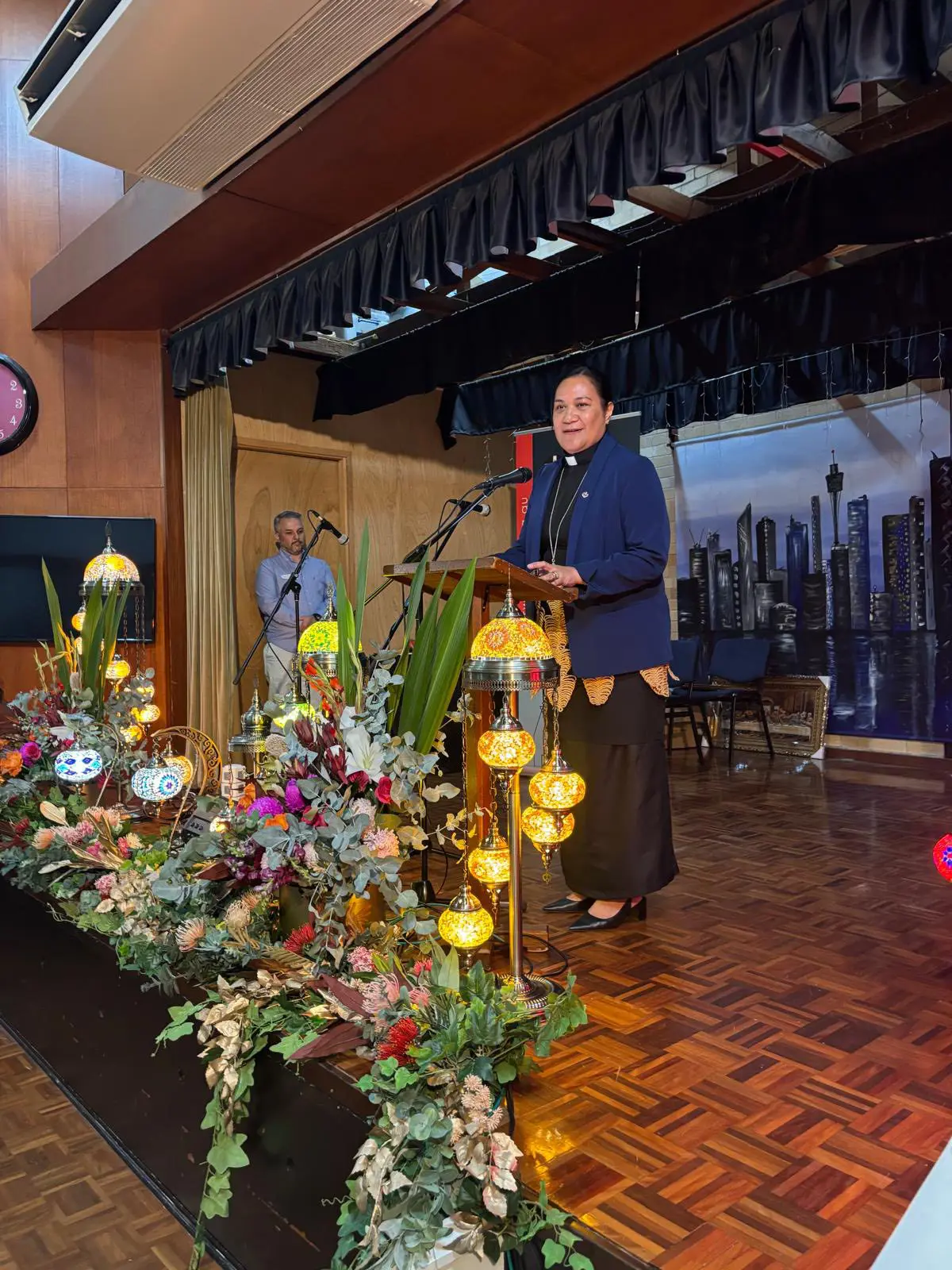
The light was embodied by the gathering itself, and people choosing connection over division. Speakers encouraged guests to carry the “the light” of the evening into the broader community, urging them to share their experience with friends and family, and continue to strengthen the connections made.